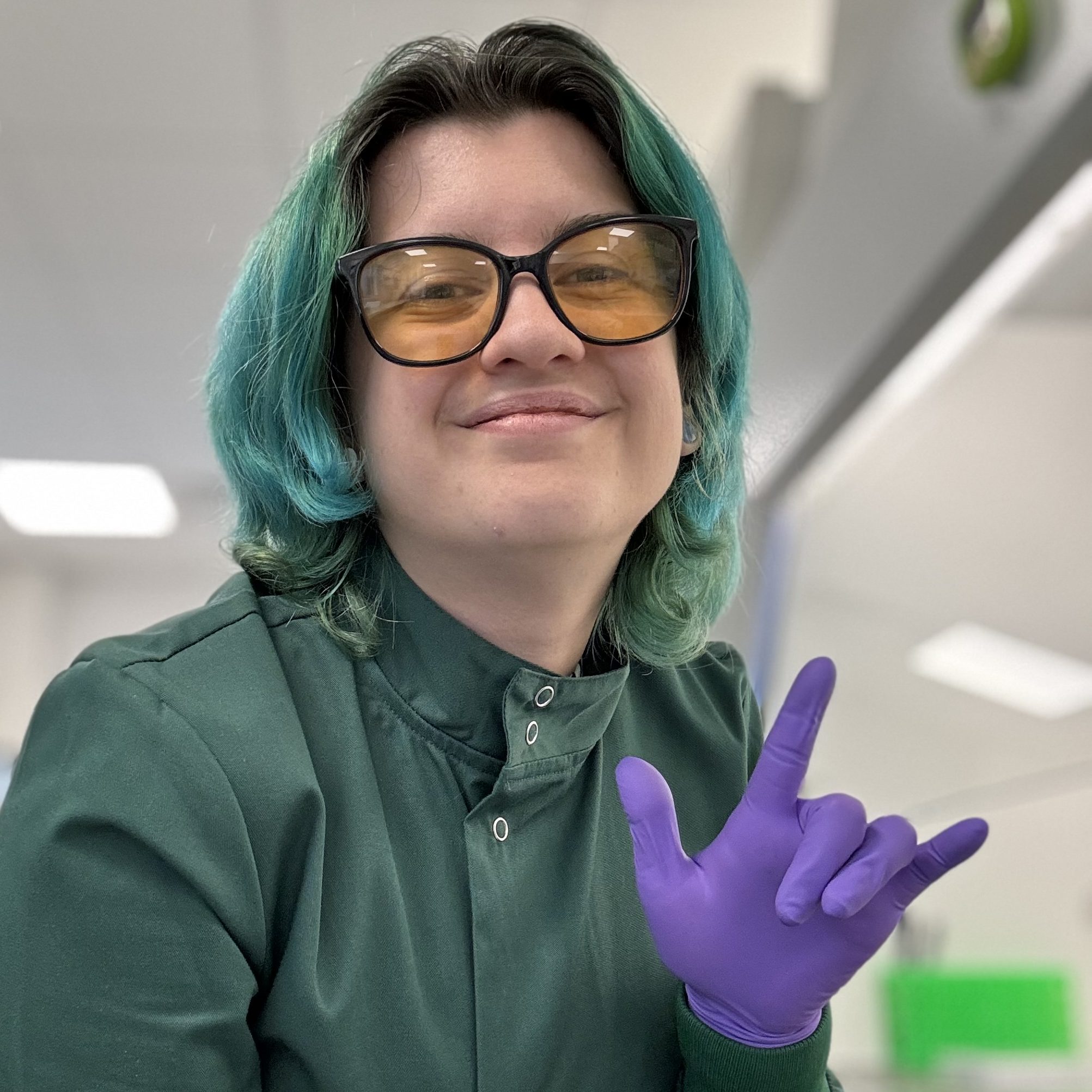
In February, I was honoured to deliver the keynote speech for oSTEM‘s STEM, LGBTQ, and You conference! The conference was based in Birmingham in the Sense Touchbase Pears, and bought together queer scientists from a wide range of disciplines. There was such a wonderful selection of talks to attend, too, featuring speakers like TEDx speaker: Eva Echo, the Mayor of Folkestone: Abena Affuko-Kelly, and activist: Jasmine Qureshi.
My keynote speech, titled Confessions of a Queer Scientist, focused on my journey into STEM, from coming out, to student activism, to postgraduate study, to unemployment, to activism in the workplace. I also shared studies about the brains London Taxi Drivers and how this links to the myth of gendered brains. If you missed it, let’s do a quick run through of these confessions…
1. I thought it would be so different
I didn’t think for a moment that having a successful career in science was going to be easy, but I didn’t think it would be so hard. I didn’t think that my disabilities, or my queerness, would be such a barrier to employment. To me, science was always about breaking new ground, keeping an open mind, and moving forward. So why was the industry so opposed to me being a part of the workforce? I was unemployed for 3 and a half years after my Masters, having applied to well over 100 jobs. It wasn’t until an ally within the industry spoke up for me that I was successful.
2. I wasn’t ready for the “But, biology…” crowd.
I honestly thought it would be more of a discussion. Talking about actual studies, pros and cons of different studies, gaps in research… But no. Not even close. I made a video talking about Eleanor Maguire’s study about London taxi drivers, where she found that these drivers had structural changes in their hippocampi following successful completion of their training. Their life experience shaped their brain. I also included Gina Rippon’s study confirming a similar finding, this time looking at gendered brains. She found that the way we raise children in a gendered society creates divides in brain structures. Really interesting stuff, but that video, while it had a LOT of views (and a LOT of dislikes, back in the day when that was a thing), it had an average watch time of 2 seconds. the “But, biology…” crowd were not interested in biology at all.
3. Being queer and disabled in STEM is really hard
It’s actually much harder than the science itself. There are lots of unwritten rules, and an ingrained idea that people from diverse backgrounds are not as competent, or as palatable, and others people. I’ve been called a diversity hire. I’ve been told I was “too disabled outside of work” to be considered for a role. People underestimate my ability to be a scientist on a daily basis, simply because of who I am. Often before we’ve even talked about science.
4. I’m not an inspiration
I’m just a person, doing their best, doing what they love, and doing what they’re passionate about. People have called me an inspiration just for buying a tin of beans while using a wheelchair, which is not inspirational at all. They have also told me what they would do if they found themselves in my position. It’s not nice. What have I inspired you to do in this situation? Also buy some beans?
5. It has been so, SO, worth it
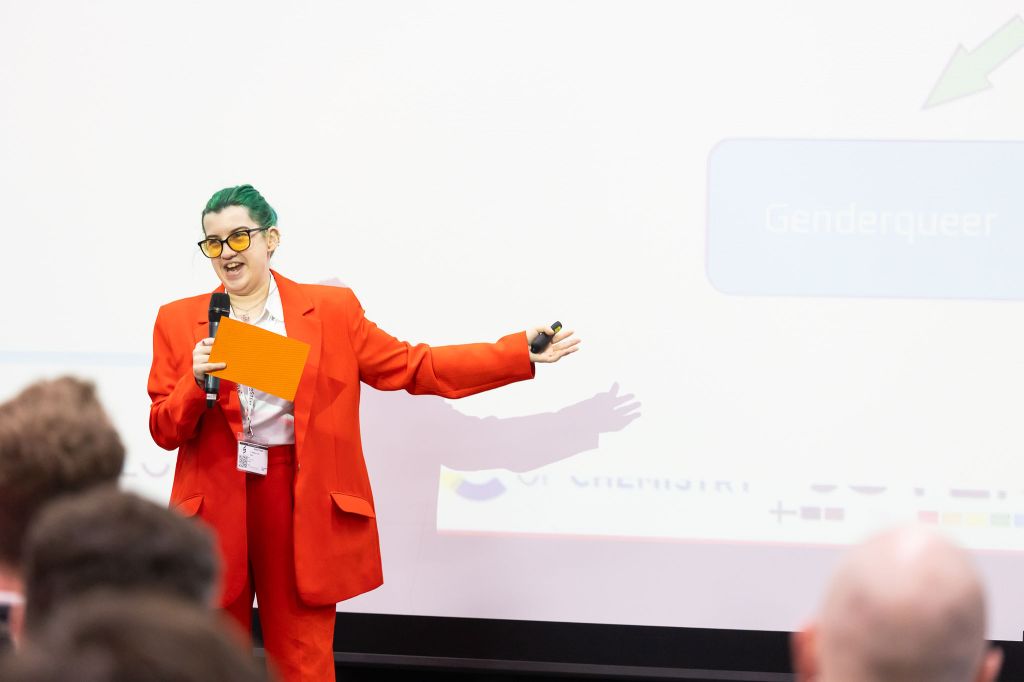
📸: Nathan Styles Photography
If you’re looking for a keynote speaker, get in touch! Let’s have a chat…
 Max Fisher RSci
Leave a comment