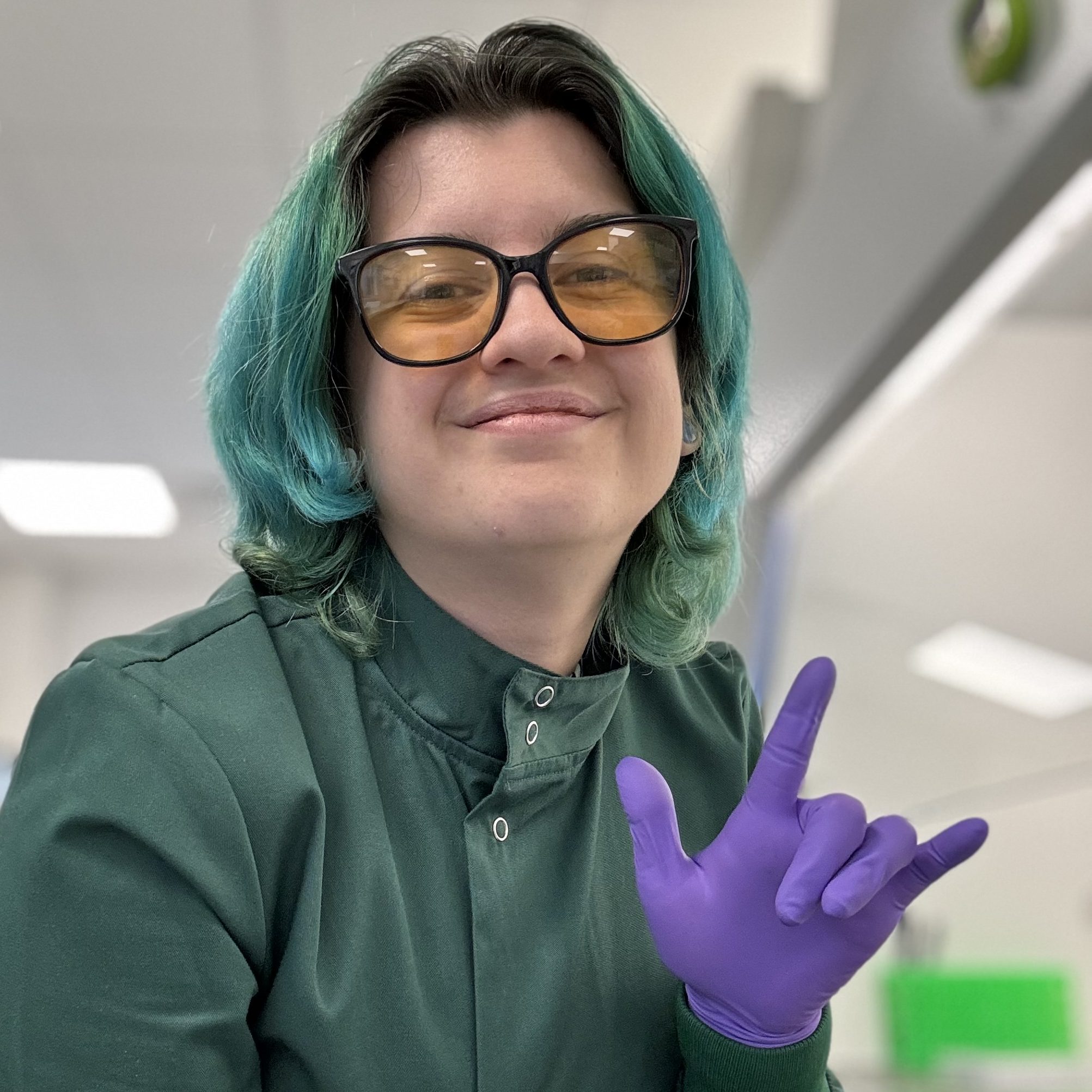
In February, the day after LGBTQ, STEM, and You, I was delighted to deliver a second keynote speech for Bedford’s LGBT+ History Month event. This event was held in The Higgins Museum in Bedford, celebrating LGBT+ history and what it means to be queer in the modern day. I had such a great time listening to the other talks that were going on, and getting involved in a poetry workshop, hosted by Katie O’Pray.
My keynote speech was all about ‘What Makes An Activist’, which runs through my personal journey of social justice work. This included a selection of coming out experiences, the evolution of my queer identity, and intersectionality between being queer and being disabled.
My Queer Identity
I have always been queer, even when I didn’t have the words to describe it. My “first kiss”, a little peck on the lips, was when I was about 7 years old with another girl at school. I hadn’t thought there was anything weird or wrong about that, but the other kids very much had opinions about it. I learned from a young age that being a girl who kisses girls carried stigma. Even though I didn’t know what the word stigma meant. At 14, I came out as bisexual. I was still figuring things out, but when I then came out as a lesbian at age 16 (ish), nobody was shocked.
I thought I was done at that point… But no. Gender identity came next, figuring out I was nonbinary at 17, wondering whether I was a trans man, and then wondering whether I was still a lesbian if I wasn’t a girl. I posed the question to the crowd, when asked about my coming out story, which one should I tell?
My Journey Into Activism
It was somewhere around “I’m not a girl” that I became an activist. I created a Facebook page to spread awareness of what being genderqueer might mean to someone, and to support parents and loved ones of people who have recently come out as genderqueer. I then started to slowly include disability into my online activism, sharing awareness posts on my newsfeed, sharing on Instagram, and writing a few articles for online magazines.
When I started university, I became a member of the pride society. The following year I became a committee member. The year after that, I became an officer within the students’ union. I attended conferences, campaigned for the causes students cared about the most, and strived to make the university a better place for students.
After I graduated, I experienced an extended period of unemployment due to disability discrimination. This led to me creating a YouTube channel to continue advocating for dignity and respect for queer and disabled people. My experiences in the British Press taught me how I want my story to be shared, and how hostile people can be to issues they don’t understand.
When I started work in the lab, the activism continued. I’d never seen anyone in the labs that looked like me. It’s not that I am the first queer person to ever work in a lab, nor was I the first disabled person to ever work in the lab. There was just a lack of visibility. The general attitude among non-scientists is that disabled people can’t be scientists. This is totally incorrect. Anybody can be a scientist, no matter which demographics they fall into.
Top Tips For Future Activists
Share your story. There are a million different ways to do this, whether publicly to the masses, or privately within friend groups, online or in person. Social media plays a huge role in raising awareness of social causes. Tap into that!
Be authentic. It’s so much easier to share a journey that is yours, than to share a dressed up version of the truth. Authenticity drives my activism. Speak your truth even when it’s unpopular, and take responsibility for your words.
Making the best of a bad situation is an important part of my advocacy. Not everything goes to plan, and not everyone is receptive to all parts of your story. Learning to work around that helps to get the message out there regardless.
And finally, embrace change. The world is not the same as it was when I first came out. It’s not the same as when I was first diagnosed. Embrace these changes and grow with them…

If you’re looking for a keynote speaker, get in touch! Let’s have a chat…
 Max Fisher RSci
Leave a comment